
Complete Category-Wise MBBS Seat Distribution in West Bengal (2025)
Introduction
Some truths unfold not in textbooks, but in waiting rooms, long corridors, and half-lit hostel dorms. The path to becoming a doctor in West Bengal is shaped by numbers—yet those numbers carry weight far beyond their digits. They are steeped in sacrifice, in silence, in a hundred small choices. This isn’t just about seats—it’s about dreams partitioned by category, caste, rank, and circumstance.
MBBS Seat Distribution in West Bengal
The state holds around 5,000 MBBS seats, each one a quiet storm of hope. Some are earned through midnight studies under failing bulbs. Others, through a lineage of legacy or wealth. All come with cost—of effort, of expectation, of time. The NEET-UG decides who gets in, but the system determines where and how.
Seat Categories
-
All India Quota (AIQ)
15% of government college seats are claimed by the center. These go to students from all across the country. The competition is fierce, the margins brutal. For many, it’s the first lesson in how uneven opportunity can be.
-
State Quota
85% reserved for domiciled students. A boundary drawn around home soil, offering some protection to the familiar. For many middle-class families, this is the only lifeline—fragile, but fiercely defended.
-
Management Quota
Found in private colleges, open to all. Entry here isn’t about merit alone—it’s about money, negotiation, and often, last resorts. Some call it compromise; others call it survival.
-
NRI Quota
Seats meant for foreign nationals or NRIs. Often untouched by local chaos, these quotas run on a different economy altogether. For some, they are escape hatches. For most, they are beyond reach.
-
EWS / OBC / SC / ST / PwD
Seats carved out by history, redress, and resistance. Each letter stands for generations of inequality. For some students, these are not just quotas, but reclamations.
Sample Category-Wise Seat Matrix (Indicative)
| College Type | Total Seats | AIQ (15%) | State Quota (85%) | Management/NRI Quota |
|---|---|---|---|---|
| Govt. Colleges | 3,250 | 488 | 2,762 | N/A |
| Private Colleges | 1,700 | N/A | 850 (State Quota) | ~850 (Mgmt/NRI) |
Top Medical Colleges in India
There are names that carry a weight larger than their walls. Not because they are better—but because they have been whispered across generations. They have become shorthand for pride, possibility, and sometimes, impossible pressure.
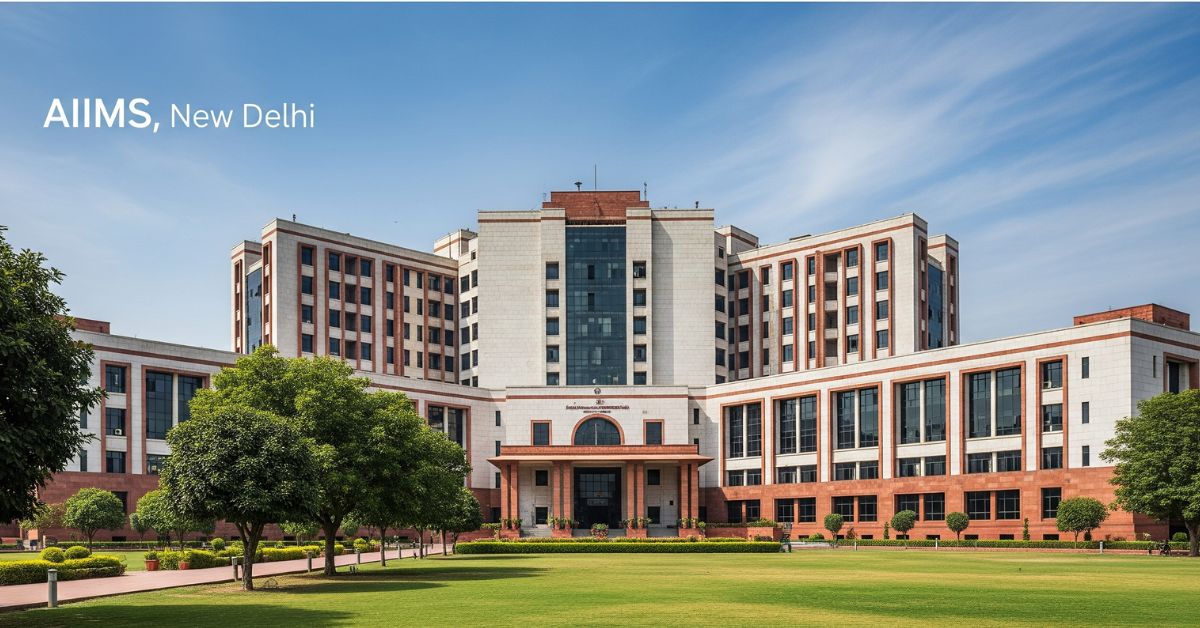
- AIIMS, New Delhi – The dream with a capital D. A place so competitive, the cutoffs feel almost mythological. For some, a goal. For others, a ghost.
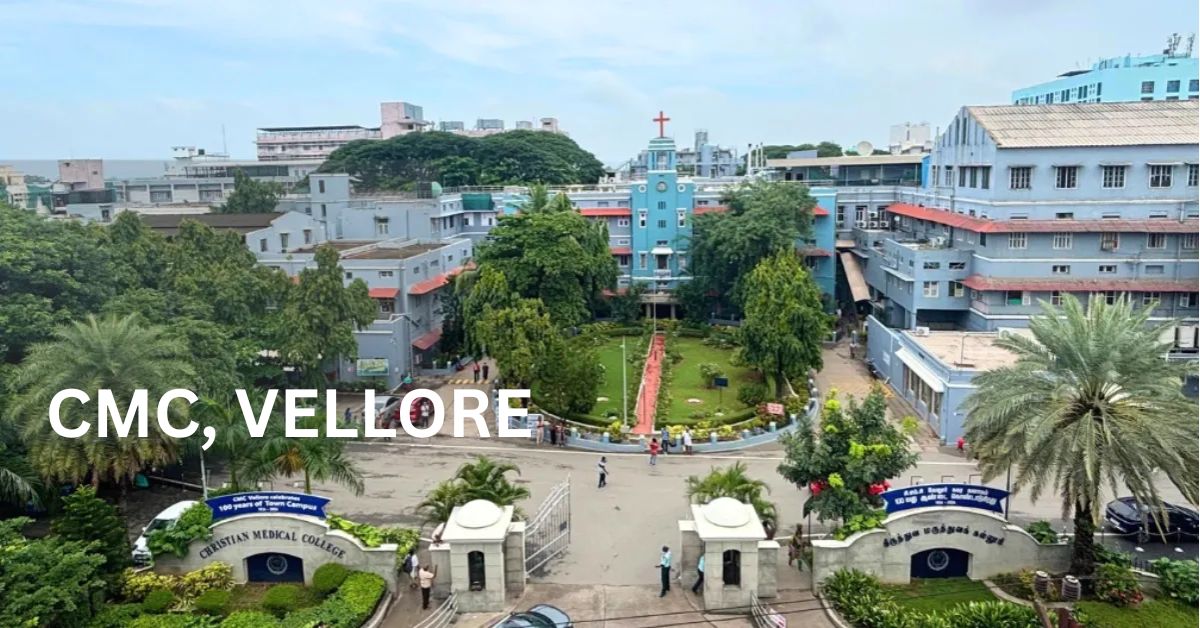
- Christian Medical College (CMC), Vellore – Built on service, on discipline, on quiet excellence. Those who come here often stay to serve. The calling is deeper than just a job.
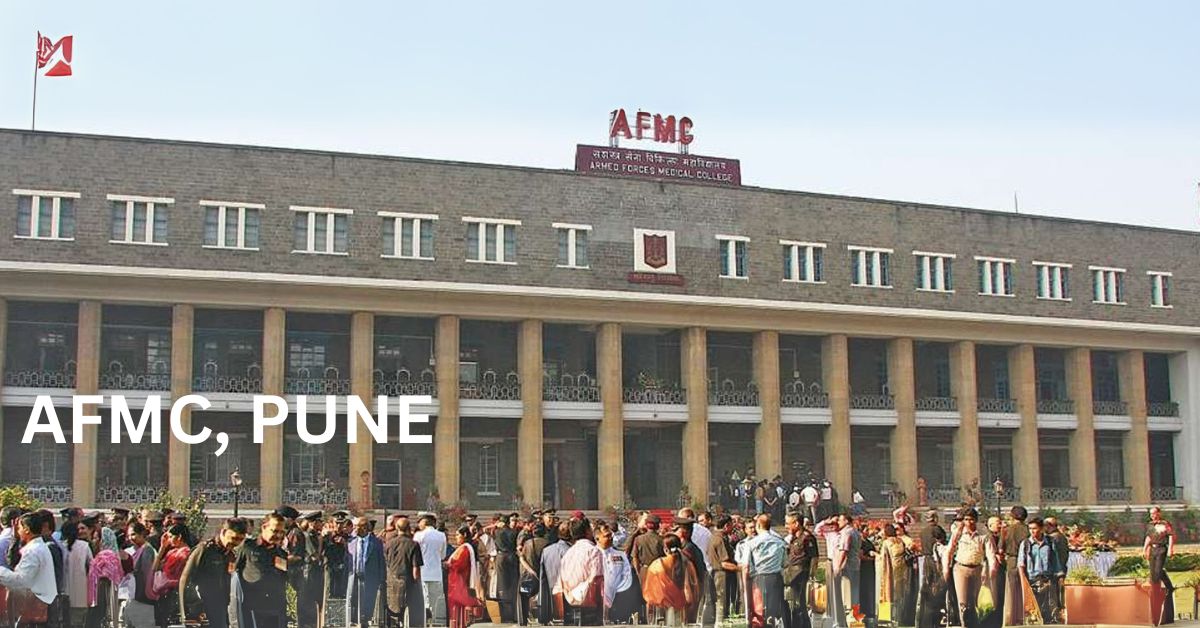
- AFMC, Pune – Where medicine meets the military. It asks more than intelligence—it demands allegiance. Not everyone is built for that kind of order.
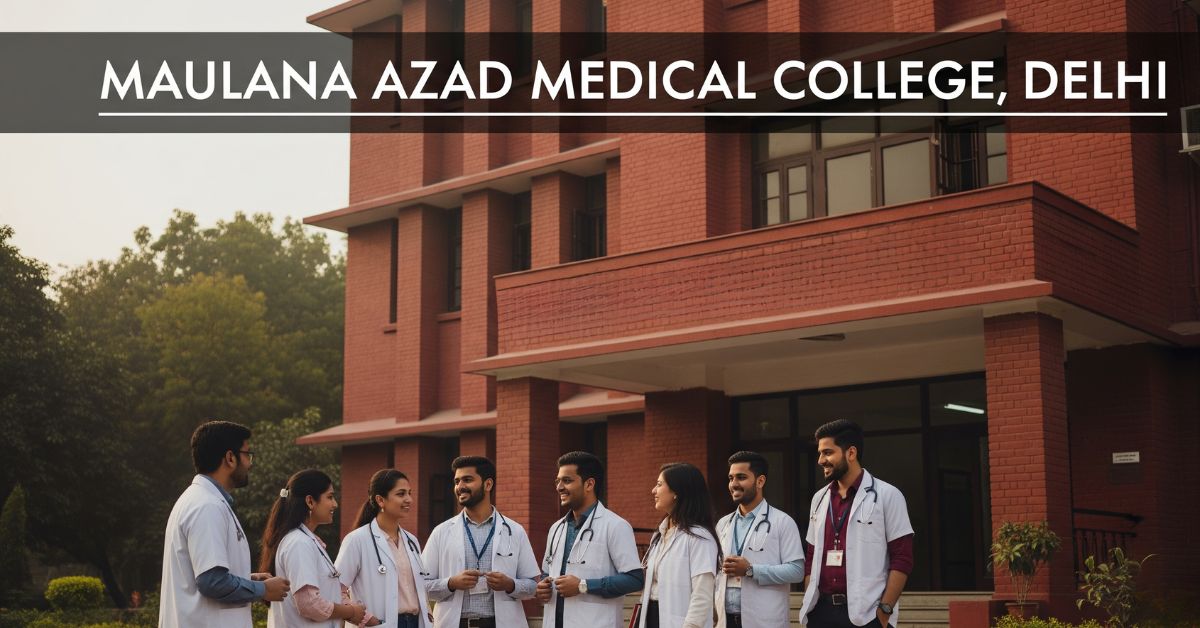
- Maulana Azad Medical College, Delhi – A name spoken with both reverence and fear. Its alumni are spread across every corner of India’s medical system. The shadow it casts is long.
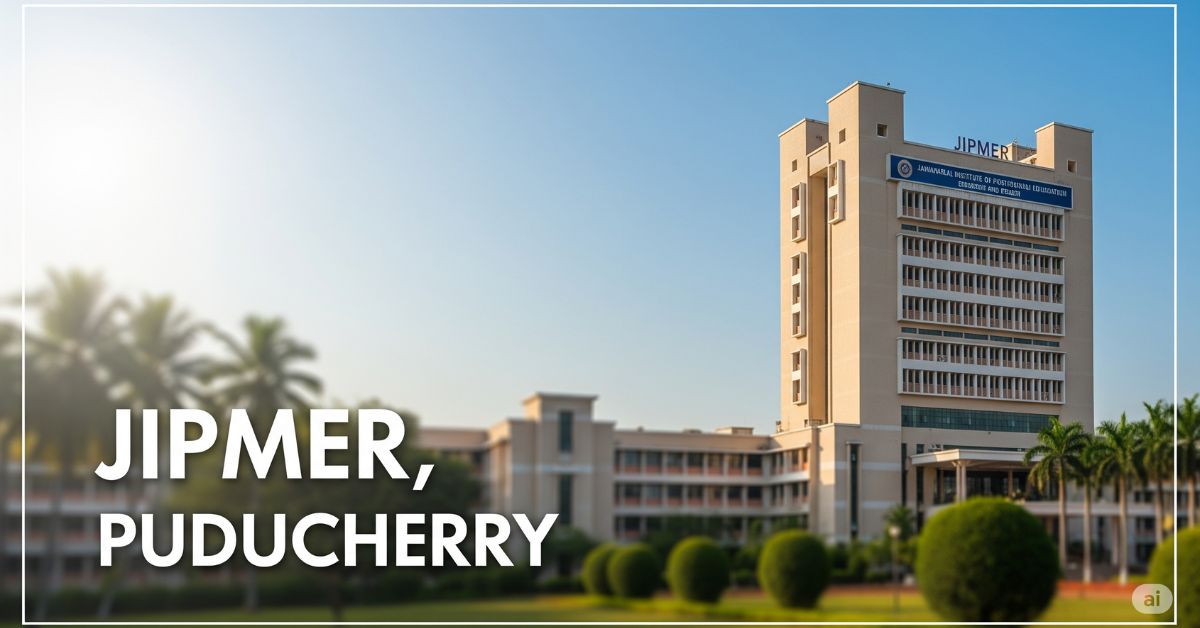
- JIPMER, Puducherry – A coastal rhythm to its rigor. Less known to outsiders, but deeply respected by those who understand its quiet prestige.
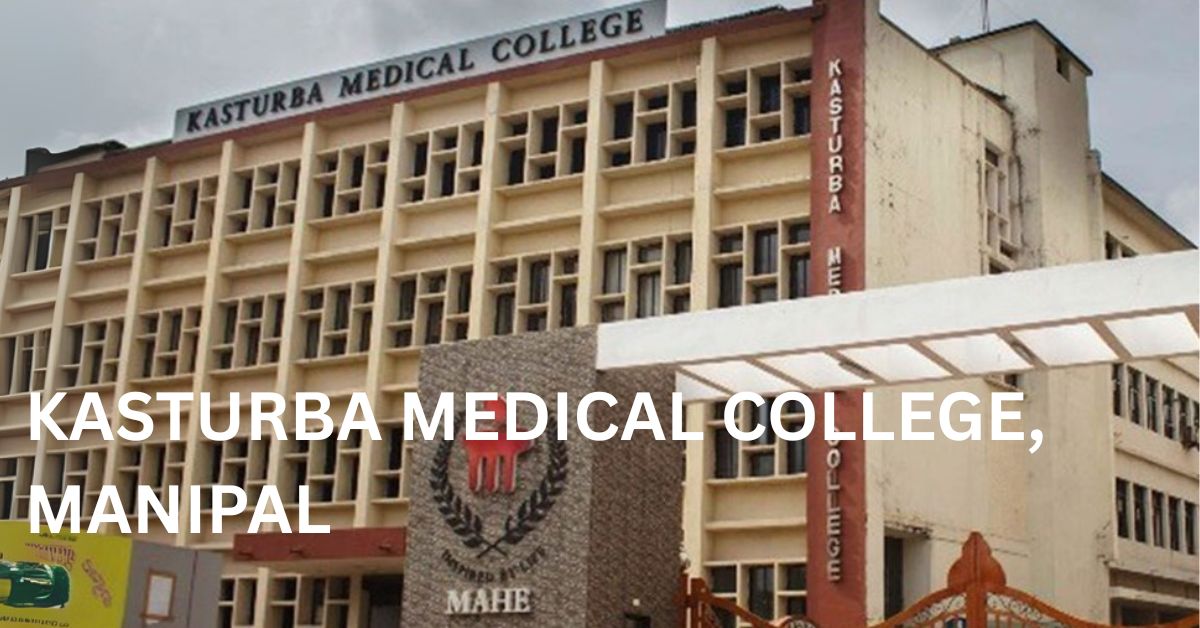
- Kasturba Medical College, Manipal – Known for its polish, its reach, and its blend of global and Indian sensibilities. A private institute that doesn’t always feel private.
To get into any of these isn’t just about marks—it’s about margin, mindset, and sometimes, a miracle.
Overview: Government Medical Colleges in West Bengal
In government colleges, the floors are worn, the fans loud, and the learning relentless. These institutions are not about polish. They are about presence—showing up, day after grinding day, for patients who can’t afford delay.
Key Government Colleges
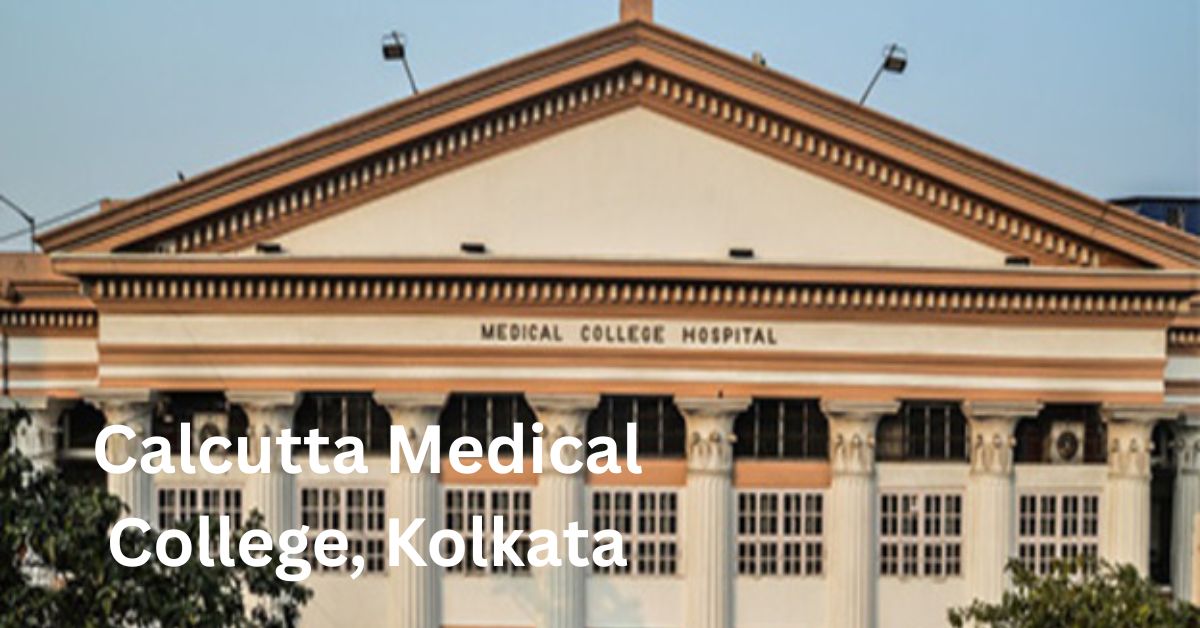
- Calcutta Medical College, Kolkata – The oldest, and perhaps, the most storied. Its staircases echo with generations of ambition. Legacy lives here—in framed photos, in crumbling lecture halls.
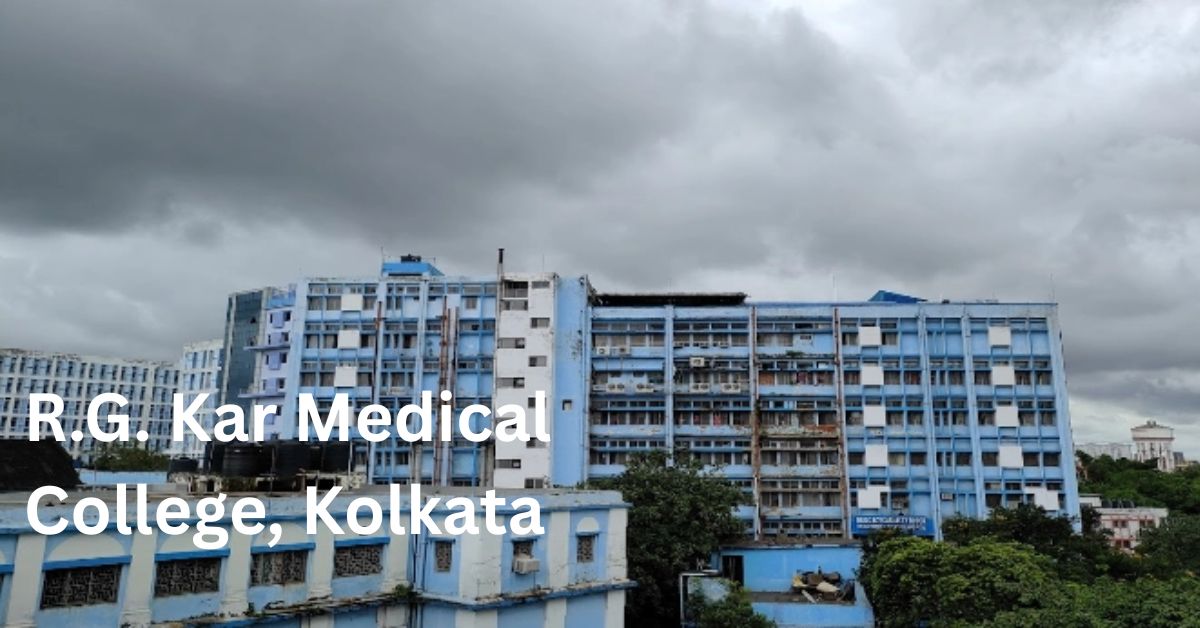
- RG Kar Medical College, Kolkata – Known for its clinical exposure and raw intensity. Not glamorous, but deeply real.
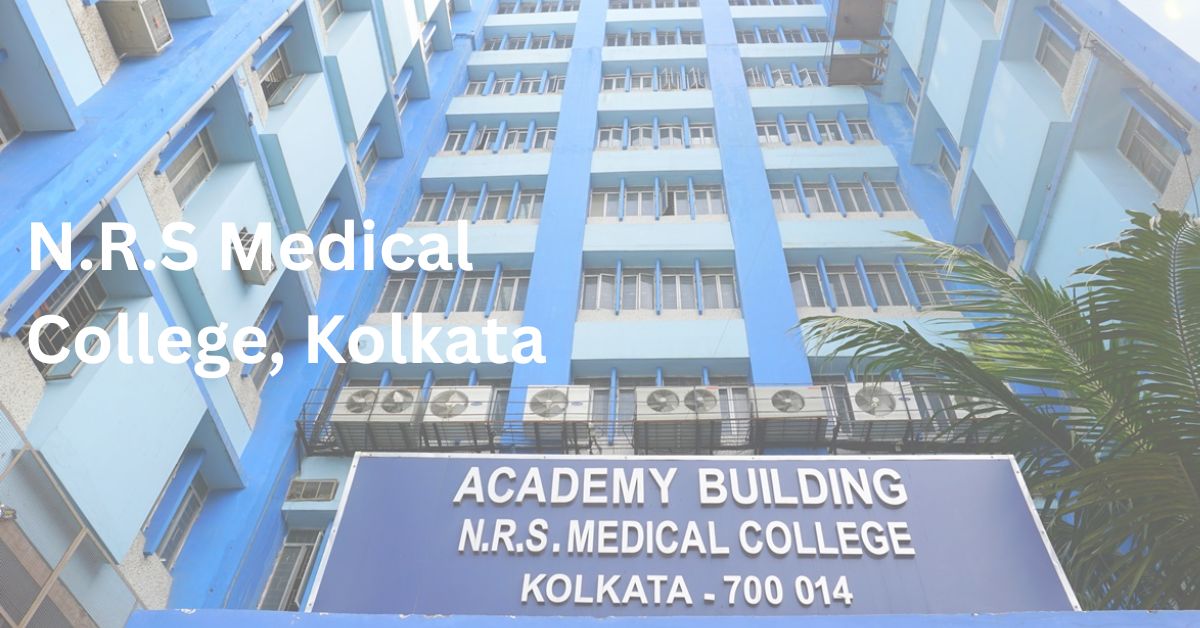
- NRS Medical College, Kolkata – The site of strikes, sweat, and survival. It trains not just doctors, but negotiators of chaos.
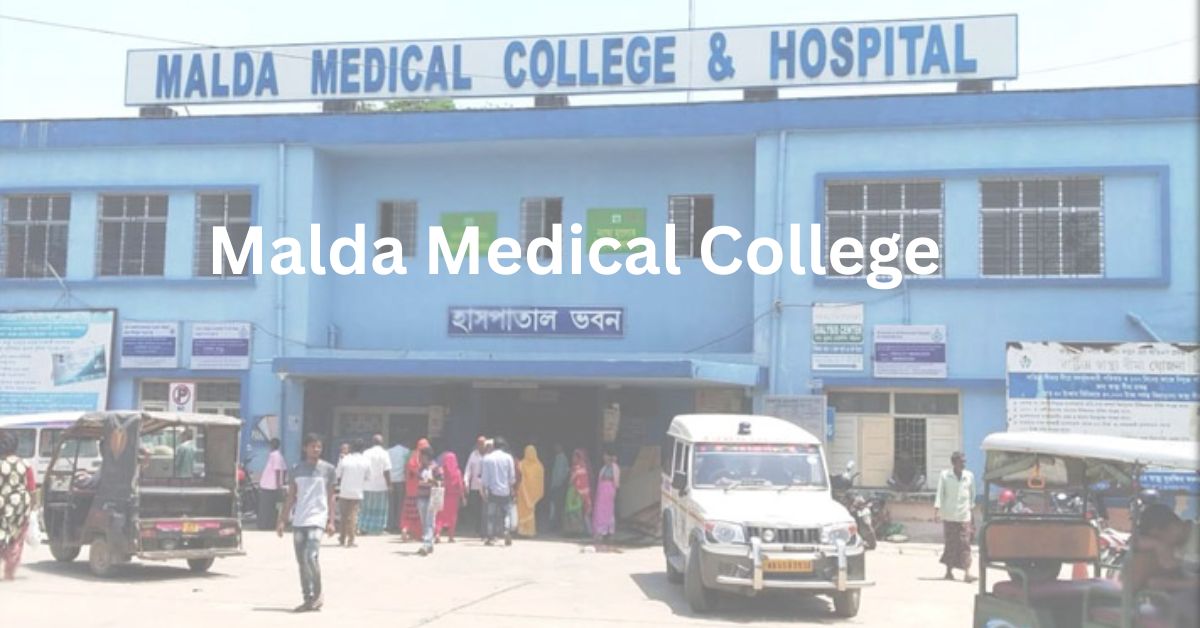
- Medical College, Malda – A younger institution, growing fast, but still marked by gaps. Students here often do more with less.
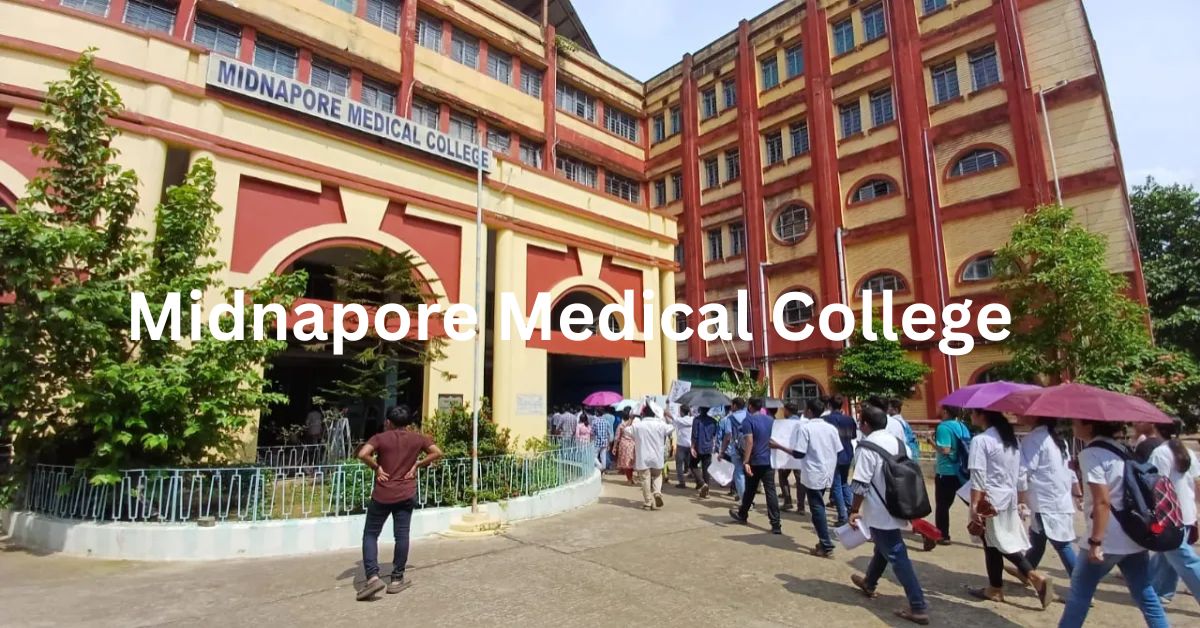
- Midnapore Medical College – Far from the capital’s crowd, but no less important. Learning here is shaped by grassroots challenges, not the city’s pace.
Private Medical Colleges in West Bengal
In these colleges, classrooms look modern and comfortable. There are air conditioners and clean hospitals. Although the brochures show a bright picture, the students sometimes worry. The fees feel high. They wonder if it is worth it. The education is strong, and with time, confidence grows. In the end, the knowledge and experience are gained through hard work.
Prominent Private MBBS Colleges in West Bengal
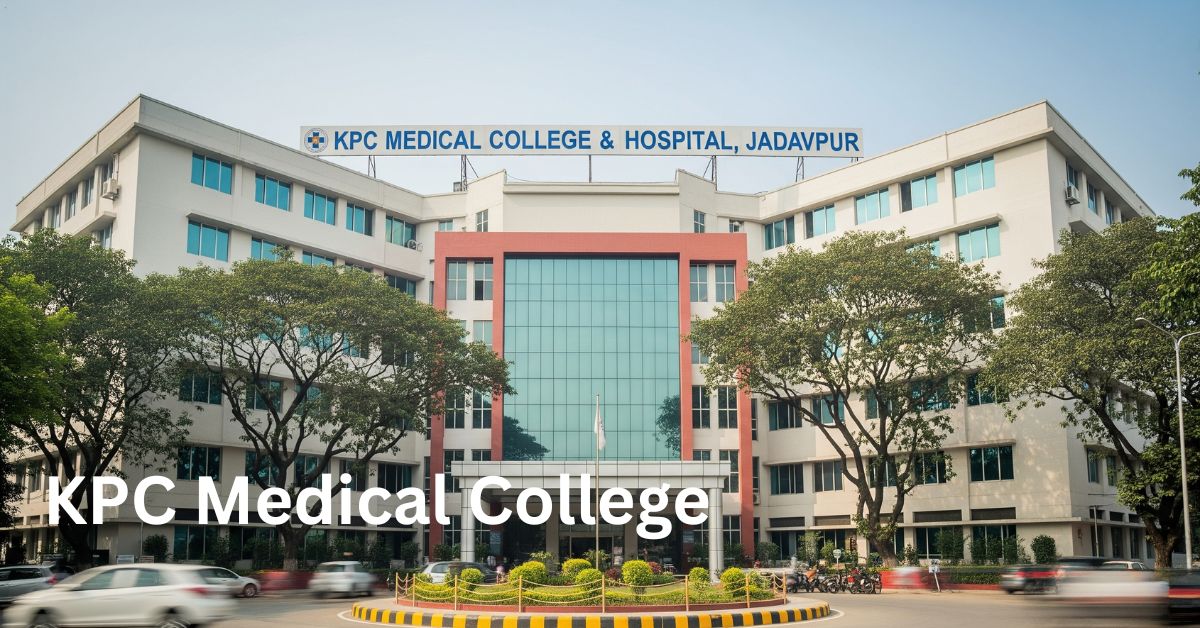
- KPC Medical College & Hospital, Jadavpur – The first private medical college in the state is KPC. Built with ambition, sustained with resources. Some see it as a stepping stone, others as a safety net.
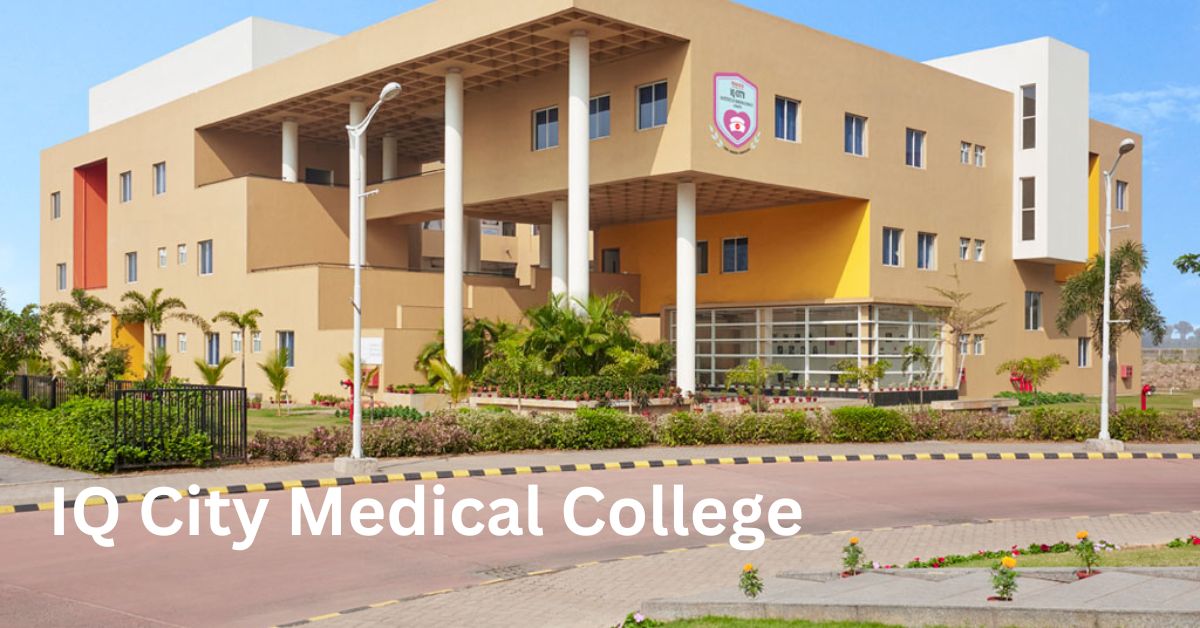
- IQ City Medical College, Durgapur – Structured, sleek, yet still finding its rhythm. Discipline is very high in IQ city college, but patient inflow sometimes is thin.
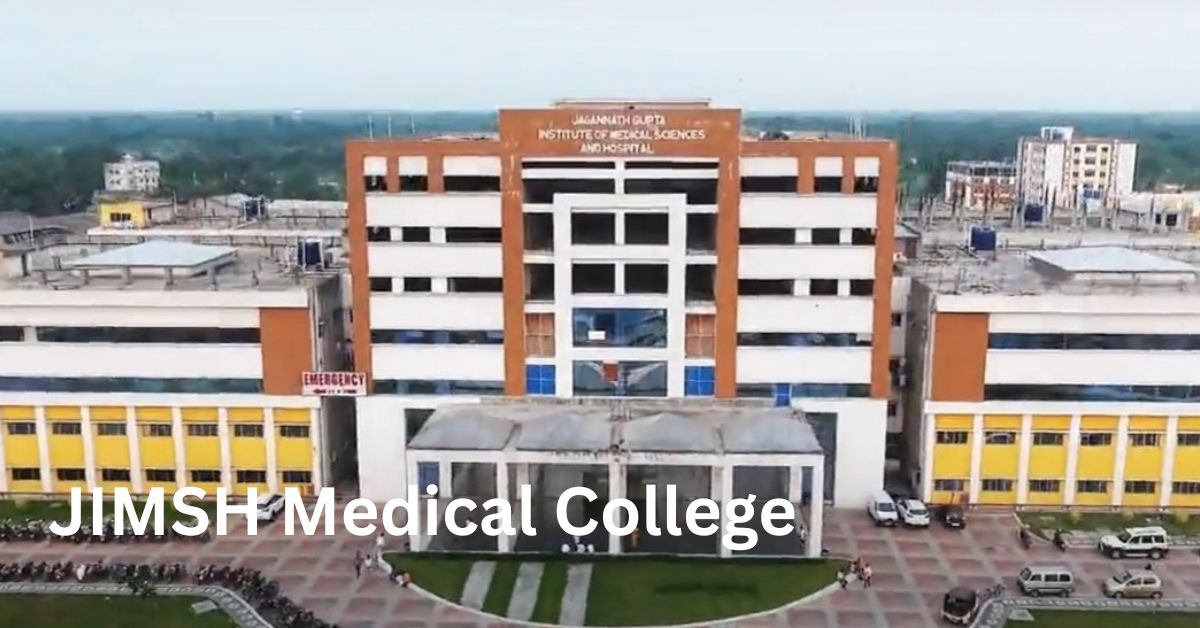
- Jagannath Gupta Institute, Budge Budge –Surrounded by skepticism when it began, Jagannath Gupta Institute has now gradually proven its ground. The transformation is ongoing.
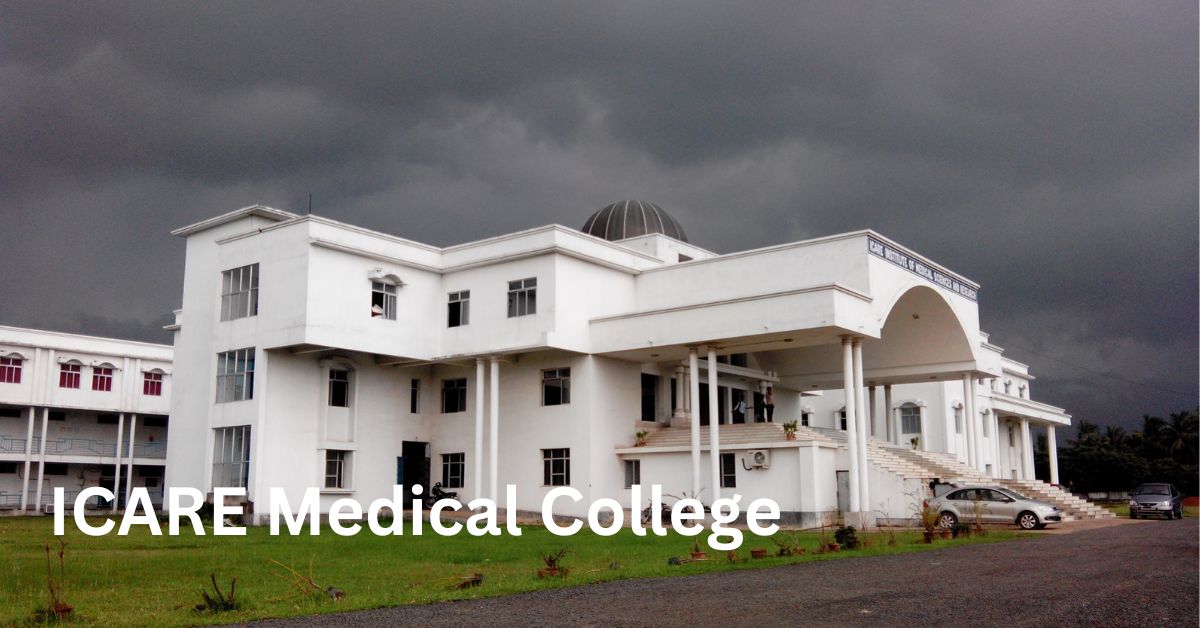
- ICARE Institute of Medical Sciences, Haldia – A coastal outpost with growing infrastructure. In the ICARE Institute of Medical Sciences, students often balance potential with patience.
- Gouri Devi Medical College, Durgapur – Gouri Devi Medical College Offers an entry point for many who couldn’t make the cut elsewhere. For them, this is not just an option—it’s an opportunity.
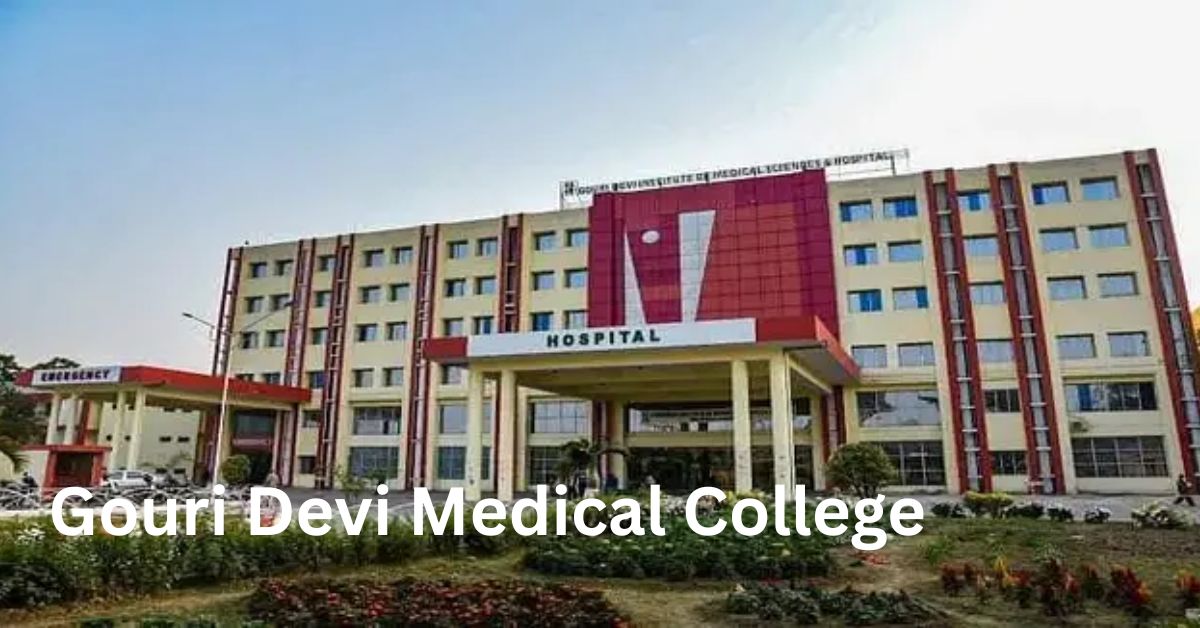
Private medical colleges in West Bengal exist in tension—between privilege and purpose.
Private MBBS Colleges in West Bengal: What to Know
It’s easy to pass judgment. Harder to understand the circumstances that bring someone to a private college seat. Not everyone gets the luxury of merit alone.
Pros:
- Cutoff scores tend to be lower. This is not about failure—it’s about another door. For some, the only door left open.
- Modern buildings, new labs, fresh equipment. These colleges are built for the future, even if they are still earning the trust of the present.
- A glimpse into private healthcare systems. The exposure is different, sometimes limited—but still real.
Cons:
- The cost is staggering. For many families, it means debt, land sold, futures mortgaged. Every rupee spent carries expectation.
- No government subsidy, fewer scholarships. The burden is personal and persistent.
- Clinical exposure varies. In some colleges, real-world patient flow doesn’t match the infrastructure on display.
Suggested Strategy:
- Don’t dismiss private colleges—know them. Visit if possible. Speak to seniors. Ask what the campus doesn’t say.
- Apply to both private and government colleges. Leave space for luck, but also strategy.
- Review the fee structure with honesty. It’s not just about Year 1. It’s about sustainability.
Admission Through NEET-UG
The exam is singular. But the pathways from it are not. Behind every score is a story—of tutors, of sacrifices, of nights without sleep.
- The NEET-UG is the threshold. Every journey begins here, but doesn’t end here.
- AIQ counselling draws a national crowd. The competition is faceless, merciless, and anonymous.
- West Bengal state counselling holds the local heartbeat. Often, it’s where the final hopes are pinned.
- Management and NRI seats come at a cost—sometimes emotional, more often financial.
- Documentation becomes a stress test in itself. A missing paper can cost everything. Diligence matters.
Admission is not just a process. It is a test of resilience, of patience, of navigating the system without breaking under it.
Final Thoughts
In West Bengal, a medical seat is not a number. It’s a legacy carried forward or a cycle broken. It’s a mother’s pride or a father’s silent fear. It is a dream stretched across years of quiet struggle.
Understanding the category-wise seat matrix helps—but understanding the ecosystem behind it matters more. The top medical colleges in India may shape national narratives. But the local ones hold a different kind of magic—raw, imperfect, necessary.
And private medical colleges in West Bengal—they, too, are part of the story. Not as a lesser choice, but a different path. Some journeys begin in marble halls. Others are in overstuffed classrooms with flickering lights.
All that matters is the work done once the white coat is worn.