The End of the Generic Degree Era
For years, medical education simply acted as a highly uniform program. You would finish basic training, and it would summarize your entire career.But that static dynamic is no longer in existence. We have officially entered the era of hyper-niche medical training, where pursuing specialized dermatology courses is the new baseline. Doctors are now actively formulating their own clinical niches, mastering original laser techniques, and executing complex cosmetic processes entirely on their own. A basic medical degree is no longer just a final destination. It is rapidly becoming the starting point for advanced specialization.
How Physicians Run Their Own Upskilling
The latest clinical breakthroughs prove that medical expertise now scales exactly like software development. Modern dermatology certification programs do not require step-by-step academic handholding or rigid templates. Instead, they use multi-module frameworks to divide and conquer massive clinical skills autonomously.
| Leading Demand Segments | Annual Growth Rate (CAGR) |
|---|---|
| Anti-dandruff Products/Care | 24% growth |
| General Hair-care Procedures | 14% growth |
| Cosmetic Dermatology | 12% growth |
| Overall Derma Pharma Market | 11-12% expected growth |
Here is exactly how these advanced training systems function today:
- The Planner: A core medical resident evaluates a broad sub-field and independently formulates a comprehensive fellowship strategy.
- The Executor: The doctor masters new aesthetic codes, explores different surgical paths, and systematically debugs clinical errors without senior intervention.
- The Synthesizer: Finally, the specialist compiles their surgical findings, analyzes the resulting patient data, and drafts a complete board portfolio. Remarkably, many of these types of dermatology specializations have already successfully passed global board review.
Mastering the Science of Continuous Specialization
Linear career workflows are completely outdated. The true secret behind modern medical training is its profound ability to run multiple skill-building tests simultaneously. To achieve this massive scale, advanced doctors rely heavily on clinical learning loops across different types of dermatology specializations.
Instead of waiting for one single fellowship to finish, these physicians use complex clinical methodologies. This means they actively explore, refine, tune, and discard multiple surgical hypotheses in parallel. If a specific aesthetic technique fails, the doctor instantly pivots. They learn from the mistake and immediately launch a new procedural test. Consequently, these educational loops perfectly mirror the absolute best agile surgical pipelines. But crucially, they operate at a speed and scale no generalist team could ever match. No basic clinical group can realistically keep up with that output.
What This Means for Clinics and Hospitals
This radical shift extends far beyond academic laboratories. It is already reshaping how real hospitals make hiring decisions. For clinic founders, hospital directors, and healthcare marketers, advanced dermatology courses are about to completely redefine medical intelligence.
- Pediatric Dermatology: Specialists can actively synthesize thousands of pediatric cases. They can test multiple therapeutic angles in parallel. They can then deliver a finalized treatment strategy while you sleep.
- Cosmetic Development: Surgical teams can aggressively use a new dermatology certification to test aesthetic updates continuously. They can run dermatopathology ablations at scale. They can also discover surgical risks in real time, before patients ever see them.
- Surgical Strategy: Medical boards can seamlessly deploy specialists to analyze Mohs surgery trends in depth. These surgeons can automatically generate massive, data-backed clinical clusters. They turn raw surgical data into publish-ready medical ideas.
Prepare for the New Standard of Expertise
The barrier to entry for world-class medical niches has fundamentally dropped. Any doctor with access to these training tools can now run learning loops that once required entire university departments. Organizations that still rely on generalists to manually treat complex cases will fall behind. Those that only look for basic practitioners will also be severely outpaced. It is time to aggressively audit your current clinical workflows. Start integrating these advanced certifications into your daily medical operations today. Embrace the immediate shift from general practice to full specialization, and let your newly acquired skills rapidly scale your practice.
Disclaimer:
Market growth estimates and specialized certification requirements are subject to industry shifts. Physicians must ensure all fellowships and specialized certifications are recognized by the appropriate medical boards.
Frequently Asked Questions (FAQs)
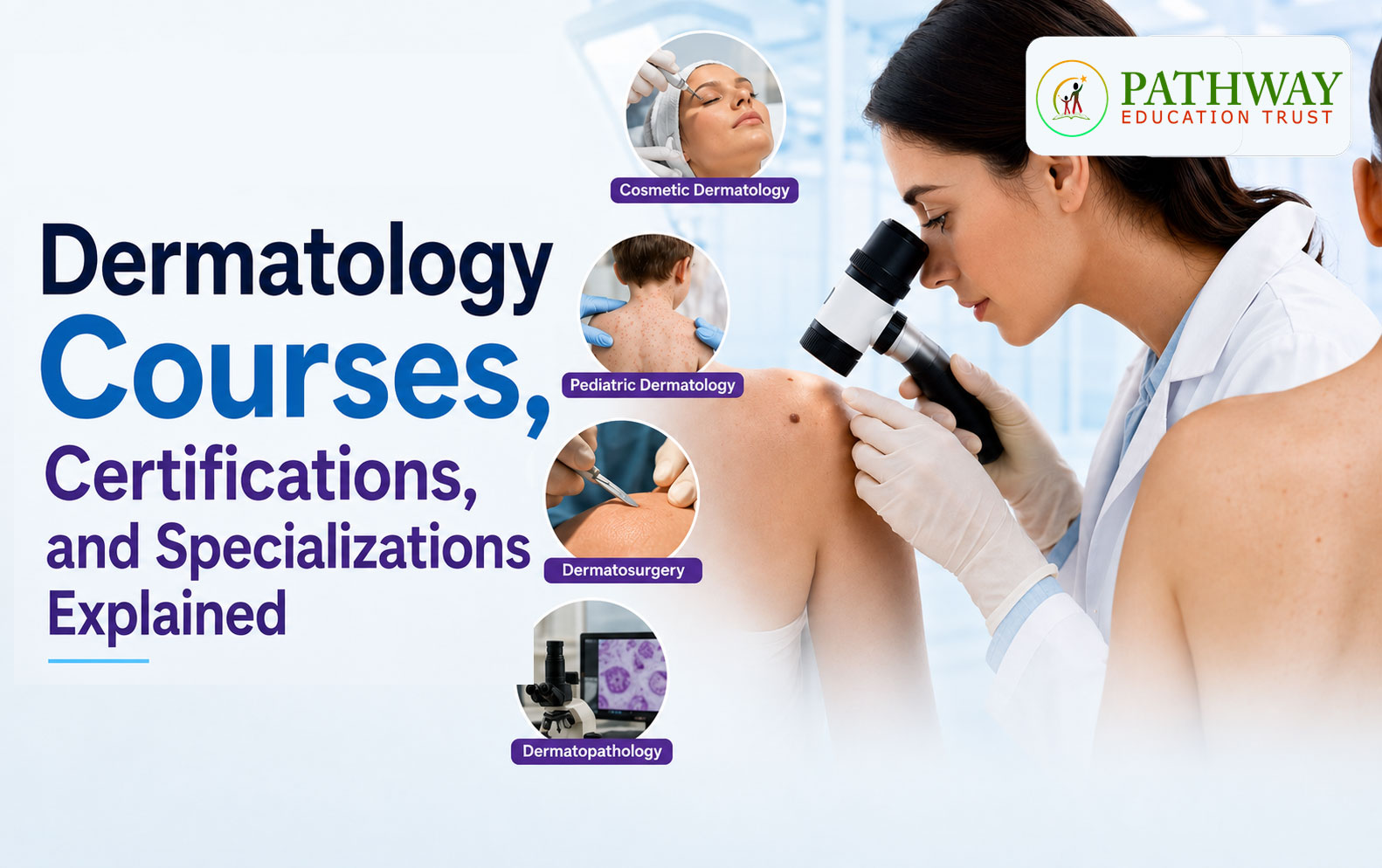
The field is heavily segmented. Core specializations include cosmetic dermatology, pediatric dermatology, dermatosurgery, and dermatopathology. General practice is rapidly being outpaced by these hyper-niches.
Yes. The aesthetic market is scaling aggressively. Doctors must actively upskill in laser therapies, injectables, and anti-aging treatments to capture this high-revenue patient demographic.
General physicians can take basic aesthetic diplomas. However, they cannot legally practice as board-certified dermatologists or perform complex dermatosurgery without completing an MD or DNB in the specialty.